BMW 4 Series G22 Repair Instructions. Workshop Manual
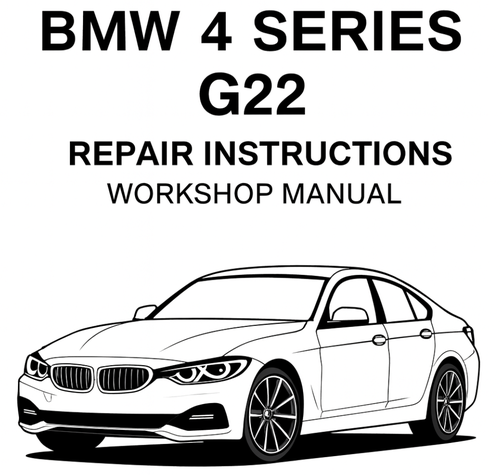
Welcome to the comprehensive source of technical information for the new generation BMW 4 Series (G22 Coupe and G23 Convertible).
This Workshop Manual provides all the necessary factory documentation for quality maintenance and repair, covering models produced from 2020 onwards. This is the ideal tool for official service centers, independent workshops, and enthusiasts working with BMW's latest technology.
What the G22 Manual Covers:
-
B-Series Engines: Detailed repair and maintenance instructions for the modular B47 (420d), B48 (420i, 430i) and B58 (M440i) engines, including torque specifications and timing chain procedures.
-
New Body Systems: Step-by-step procedures for repairing body panels, including bumpers, doors, and specifically, instructions for the well-known large kidney grille.
-
Electrical System (Wiring Diagrams): Complete wiring schematics for modern systems, including iDrive 7/8, security modules, and Driver Assistance Systems (ADAS).
-
Drivetrain and Chassis: Service instructions for the Steptronic transmission and repair procedures for the suspension (including adaptive M-Sport).
BMW 4 Series G22 420d (B47D20)
- BMW 4 Series G22 Wiring Diagram>>
- BMW B47D20 Engine Workshop Manual>>
- BMW 4 Series G22 Tightening Torques>>
BMW 420d (G22/B47) Common Problems and Inspection Points
1. Engine Reliability (B47 Diesel)
The B47 engine is significantly more robust than its predecessor (N47), particularly concerning the timing chain, which is now considered a highly reliable component.
-
EGR Cooler Failure (Exhaust Gas Recirculation):
-
Problem: This is a key area of concern across many recent BMW diesel engines. The EGR cooler can fail internally, leading to coolant leaks and, in very rare but serious cases, potential fire hazards due to high soot temperatures mixing with leaking coolant.
-
What to Check: Look for coolant loss without an obvious external leak. Check the EGR cooler and valve for signs of weeping or excessive soot buildup. BMW issued recalls/service campaigns for affected models.
-
-
DPF (Diesel Particulate Filter) Clogging:
-
Problem: If the car is primarily used for short city trips (low mileage, low speed), the DPF may not reach the high temperatures needed for proper regeneration. This leads to clogging.
-
What to Check: Look for error messages on the iDrive screen and listen for the fan running at high speed after turning the engine off (a sign that regeneration was attempted but aborted). Ensure the car gets regular long highway runs.
-
2. Modern Technology and Software Glitches
As a new platform, the G22 relies heavily on integrated electronics, which can lead to software-related issues.
-
iDrive 7/8 System Glitches:
-
Problem: Occasional freezing, slow responses, or minor bugs in the infotainment system (iDrive 7/8).
-
What to Check: Ensure the vehicle has the latest software updates from BMW, as most bugs are resolved through over-the-air or dealer updates.
-
-
Driver Assistance Systems (ADAS) Sensors:
-
Problem: Faults with proximity sensors, cameras, or the radar unit, often triggered by severe weather (heavy snow/ice) or damage to the bumper area.
-
What to Check: Ensure all parking sensors and the radar unit (in the lower bumper) are clean and undamaged.
-
3. Electrical and Wiring (Minor Issues)
-
Battery Management System: While better than older models, the complexity of the power management requires the AGM battery to be in excellent condition. Faults can cause intermittent low-voltage errors affecting non-essential systems.
-
What to Check: Monitor battery health, especially if the car is stored for long periods.
-
-
Door and Frameless Window Seals:
-
Problem: As a coupe with frameless windows, the rubber seals are crucial. They can wear down or stiffen, potentially leading to wind noise or minor water leaks over time.
-
What to Check: Inspect the seals regularly, and treat them with rubber care products (like silicone spray) to maintain flexibility.
-
4. Drivetrain and Transmission
-
ZF 8HP Gearbox Fluid:
-
Problem: BMW officially states the fluid is "lifetime," but most experts recommend a transmission fluid and filter change between 60,000 to 80,000 miles (100,000 to 130,000 km) for longevity.
-
What to Check: Ensure smooth gear changes; excessive harshness or hesitation might indicate a need for fluid service.
-